

Understanding
Understanding
Trauma
Trauma is not what happened to you — it is what happened inside you as a result. Understanding its impact is the first step to healing.
It's all connected.
Trauma is an emotional and physiological response to a deeply distressing event that overwhelms one's ability to cope. It can result from a single event, repeated experiences, or ongoing circumstances that leave a lasting imprint on the nervous system.
Trauma is not defined by the event itself, but by the individual's experience of it — and its effects can ripple across every dimension of life: physical health, mental well-being, relationships, professional performance, and spiritual connection.
"Trauma may be something you've experienced, but it does not define who you are. You can recover and rise above trauma with the right support and effective coaching."
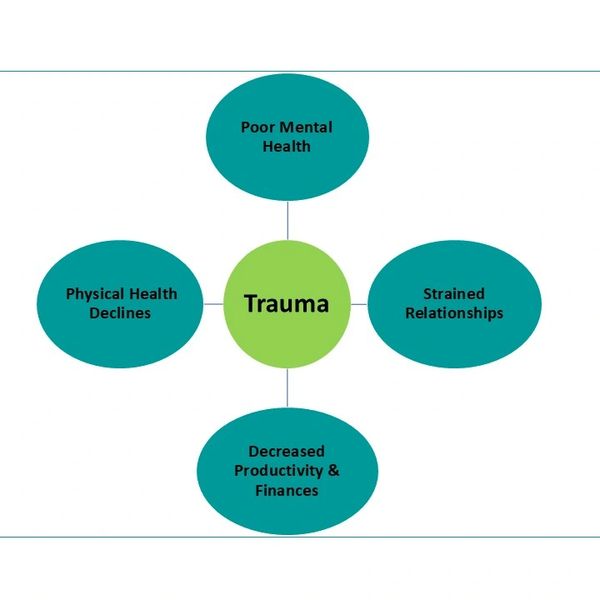
How trauma shapes every dimension of life.
Stress & Nervous System
Trauma activates chronic stress responses, dysregulating the nervous system and impairing daily functioning, focus, and decision-making.
Physical Health
Research links adverse childhood experiences to heart disease, autoimmune disorders, obesity, and gastrointestinal problems (Felitti et al., 1998).
Mental Health
Trauma contributes to anxiety, depression, PTSD, and substance misuse — altering how we think, feel, and respond to the world around us.
Relationships
Trauma disrupts interpersonal bonds by fostering hypervigilance, avoidance, and emotional detachment from those we love.
Professional Life
The effects of trauma spill into work — decreasing productivity, increasing absenteeism, and contributing to financial instability.
Spiritual Connection
Trauma can sever our relationship with meaning, purpose, and belonging — disconnecting us from our deepest sense of self and spirit.

Common questions about trauma coaching.
